
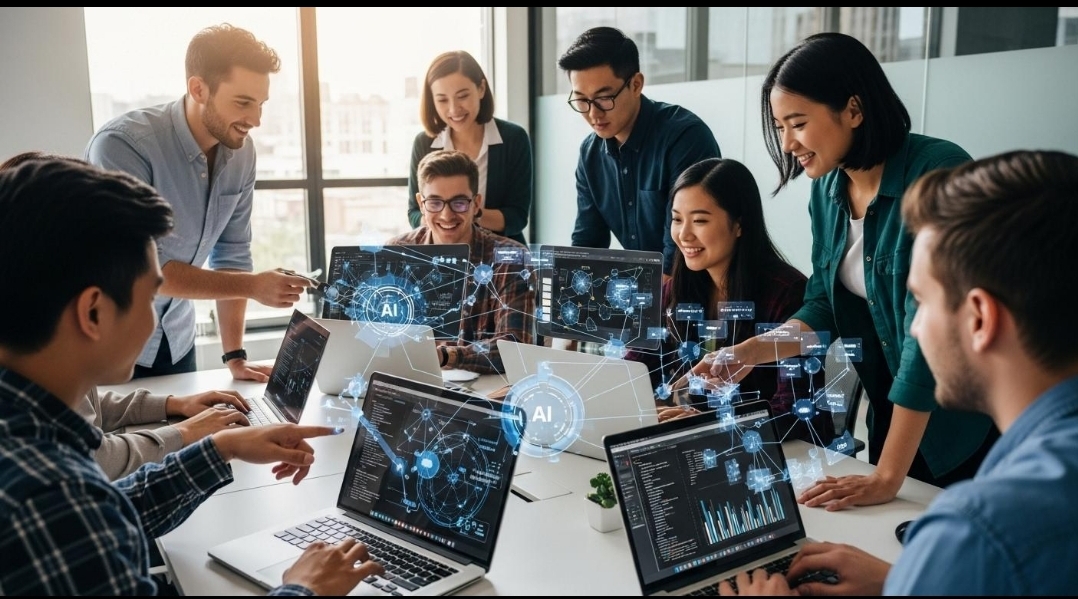

Discover 10 digital and AI skills employers are looking for in 2026. Learn how graduates and professionals can prepare for future global job opportunities.
The global employment market is changing rapidly as artificial intelligence, automation and digital technologies transform how organisations operate. From international organisations and development agencies to private companies and research institutions, employers are increasingly looking for professionals who can combine traditional qualifications with modern digital capabilities.
For graduates, young professionals and experienced jobseekers, developing AI skills for jobs 2026 could become an important step towards accessing new employment opportunities. Whether someone is interested in remote employment, international development, research, administration or technology, understanding how digital tools are changing the workplace can provide a competitive advantage.
According to the World Economic Forum’s Future of Jobs Report 2025, approximately 170 million new jobs could emerge globally by 2030, while 92 million existing roles could be displaced. This suggests that the future employment market will require workers to continuously develop new capabilities.
Why Digital Skills Are Becoming Important in 2026
Artificial intelligence is no longer limited to technology companies. Organisations across healthcare, education, finance, agriculture, humanitarian assistance and international development are exploring ways to use AI and automation.
For example, international organisations may use digital technologies to analyse research findings, improve administrative processes, monitor development programmes and manage large datasets.
The World Economic Forum has also highlighted how AI adoption is reshaping workforce strategies and the demand for new talent.
For jobseekers, this means that having a university degree or professional qualification may not always be enough. Demonstrating practical digital knowledge can help applicants stand out.
10 Digital Skills Employers Are Looking For
1. Artificial Intelligence Literacy
Understanding how artificial intelligence works and how to use AI-powered applications is becoming valuable across different professions.
Employees who can use AI tools responsibly to conduct research, organise information, prepare reports and improve productivity may have an advantage.
2. Data Analysis and Interpretation
Organisations collect enormous amounts of information. Professionals who understand how to analyse data, identify patterns and communicate findings can contribute to better decision-making.
Learning Excel, Power BI, SQL or basic statistical analysis can be a useful starting point.
3. Digital Project Management
International development organisations, NGOs and private companies regularly manage complex projects involving different teams and stakeholders.
Knowledge of project management platforms, digital reporting and planning tools can strengthen professional profiles.
4. Cybersecurity Awareness
As organisations increasingly depend on digital systems, protecting information has become essential.
Basic knowledge of cybersecurity, data protection, password security and online safety is useful for professionals working in almost any industry.
5. Digital Communication
Remote and international teams require effective communication across different countries and time zones.
Professionals should become comfortable using online meeting platforms, collaborative documents, email systems and digital workplace applications.
6. Research and Information Management
Research skills remain important in international development, public policy, education and humanitarian programmes.
Knowing how to find reliable information, evaluate sources, organise findings and prepare professional reports can improve employability.
7. Digital Marketing and Content Development
Companies and international organisations increasingly depend on digital communication to reach audiences.
Skills in content writing, search engine optimisation, social media management and digital analytics can open opportunities in communications and marketing.
8. Cloud Computing and Collaboration
Many organisations use cloud-based systems to manage documents, projects and information.
Familiarity with Google Workspace, Microsoft 365 and other collaboration platforms can help employees work effectively in distributed teams.
9. Critical Thinking and Problem-Solving
Technology can process information, but organisations still need people who can evaluate situations, understand complex challenges and make informed decisions.
Critical thinking, creativity and professional judgement remain important workplace capabilities.
10. Adaptability and Continuous Learning
The ability to learn new technologies and adjust to changing workplace requirements is becoming increasingly important.
Professionals who regularly update their knowledge can remain competitive as industries evolve.
How Graduates Can Develop These Skills Without Spending Too Much Money
Developing digital skills does not necessarily require an expensive university programme.
Jobseekers can begin with free or affordable online learning resources. Some platforms provide introductory courses, practical exercises and professional certificates.
Useful learning platforms include:
- Microsoft Learn – Digital and technology training.
- Google Skillshop – Digital marketing and analytics courses.
- IBM SkillsBuild – Technology and professional development.
- Cisco Networking Academy – Networking and cybersecurity education.
- Alison – Online professional and digital skills courses.
- Coursera – Professional certificates and university courses, including free learning options on selected courses.
Applicants should always check certificate costs, course conditions and accreditation before enrolling.
What This Means for International Jobseekers
The growing demand for digital capabilities creates opportunities for people interested in international careers.
Professionals applying for positions with organisations such as the United Nations, UNICEF, UNDP, the World Bank, international NGOs and development agencies may benefit from combining their academic backgrounds with relevant technical skills.
For example, an applicant interested in programme management could develop project management and data analysis capabilities. Someone pursuing communications positions could strengthen their digital marketing and content development skills.
These additional capabilities do not guarantee employment, but they can help applicants demonstrate practical knowledge relevant to their desired positions.
Frequently Asked Questions
1. Which digital skills are most useful for getting a job in 2026?
AI literacy, data analysis, cybersecurity awareness, digital communication, project management and critical thinking are valuable skills across multiple industries.
2. Can I learn AI skills without a university degree?
Yes. Many introductory AI and digital technology courses are accessible online without requiring a university degree.
3. Are digital skills important for remote jobs?
Yes. Remote positions frequently require digital communication, online collaboration, independent problem-solving and familiarity with workplace software.
4. Do international organisations require AI qualifications?
Requirements vary depending on the position. Some roles require specialist technical qualifications, while others benefit from general digital literacy and practical technology experience.
Final Thoughts
The future of employment will increasingly reward professionals who combine academic qualifications, practical experience and the ability to adapt to technological changes.
For graduates and experienced professionals alike, developing AI skills for jobs 2026 is a practical investment in long-term career development. Rather than waiting for the employment market to change, jobseekers can begin learning today and prepare themselves for emerging opportunities.
At United Nations Recruit, we encourage international jobseekers to stay informed about global vacancies, scholarships, internships, fellowships and professional development opportunities.
Explore more career resources and international opportunities through our website.
Stay informed. Keep learning. Prepare for the future of work.
FOR MORE JOB UPDATES AND INFORMATION

