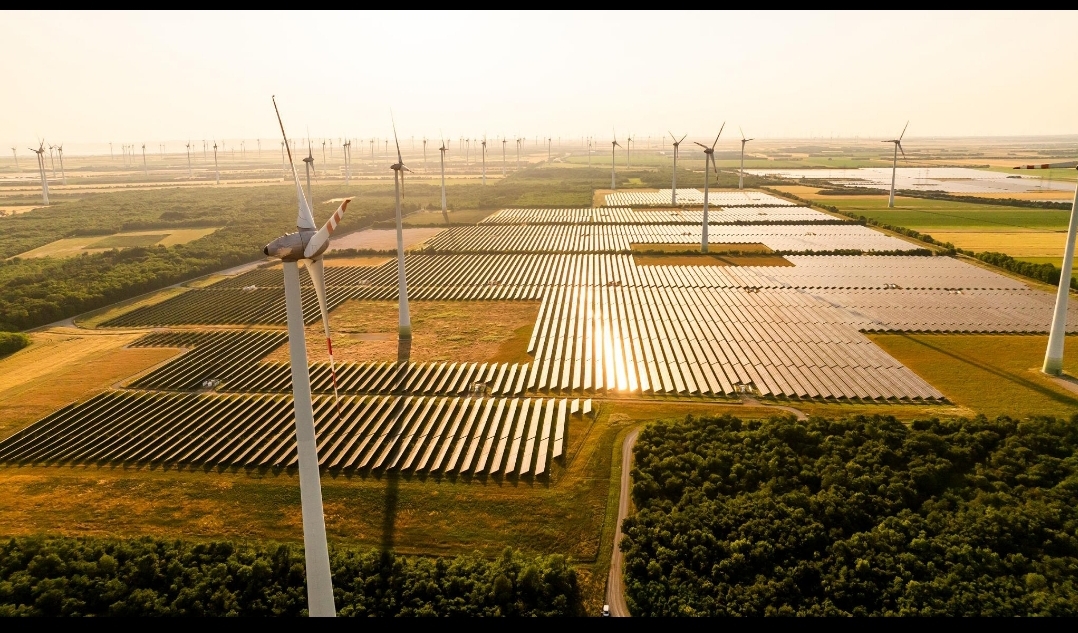

The global transition towards cleaner energy and sustainable development is creating new employment opportunities across several industries. Governments, international organisations and private companies are investing in renewable energy, environmental protection, climate adaptation and sustainable infrastructure.
As countries work towards reducing carbon emissions and strengthening their environmental commitments, demand for professionals with green skills is becoming increasingly important.
According to LinkedIn’s October 2026 Global Green Skills Report, the share of green hiring increased by 25% year-on-year, while the share of workers with green skills grew by 13%. Workers with green skills were being hired at more than 1.5 times the rate of the wider workforce.
These developments make Green Careers 2027 an interesting area for students, graduates and experienced professionals exploring future employment opportunities.
From solar energy engineering to environmental research and sustainability management, several career paths are emerging within the global green economy.
Why Green Careers Are Becoming Important
Climate change, rising energy demand, environmental degradation and the need for sustainable economic development are influencing employment patterns worldwide.
Countries are expanding renewable energy infrastructure, improving electricity distribution systems, investing in climate-resilient agriculture and introducing policies to reduce environmental pollution.
The World Economic Forum’s Future of Jobs Report 2025 identifies environmental engineers and renewable energy engineers among the fastest-growing professional roles towards 2030.
The report also estimates that climate change adaptation could contribute approximately five million additional net jobs by 2030, while climate change mitigation could contribute another three million.
These developments demonstrate the growing importance of environmental knowledge and technical expertise in the global employment market.
10 Green Careers to Watch in 2027
1. Renewable Energy Engineer
Renewable energy engineers help design, develop and maintain systems that generate electricity from sustainable sources.
Their work may involve solar power, wind energy, hydropower and other renewable technologies.
Typical responsibilities include:
- Designing renewable energy systems.
- Assessing energy production and efficiency.
- Supporting renewable energy infrastructure projects.
- Conducting technical assessments.
ALSO READ: Gates Foundation Careers 2026: Explore International Job Opportunities -Apply Now
Relevant qualifications include electrical engineering, mechanical engineering, energy engineering or renewable energy technology.
2. Environmental Scientist
Environmental scientists investigate environmental challenges and develop solutions to protect natural resources.
They may work on pollution control, biodiversity conservation, environmental monitoring and climate change research.
Potential employers include government agencies, research institutions, environmental consultancies and international development organisations.
3. Sustainability Specialist
Sustainability specialists help organisations reduce their environmental impact while improving operational efficiency.
Their responsibilities can include developing sustainability strategies, monitoring environmental performance, preparing sustainability reports and supporting corporate environmental policies.
Qualifications in environmental management, business sustainability or environmental science can be useful.
4. Climate Change Analyst
Climate change analysts examine environmental information to understand climate risks and their potential effects on communities, economies and ecosystems.
They may contribute to climate vulnerability assessments, adaptation strategies, emissions research and environmental policy development.
This career is particularly relevant to professionals interested in climate research and international development.
5. Solar Energy Technician
Solar energy technicians install, inspect, maintain and repair solar power systems.
As residential, commercial and industrial solar installations expand, technical professionals who understand photovoltaic systems are increasingly important.
Relevant training includes electrical installation, solar technology and renewable energy systems.
6. Environmental Engineer
Environmental engineers develop technical solutions to environmental problems.
Their work can include wastewater treatment, waste management, pollution prevention, sustainable infrastructure and environmental protection.
Engineering qualifications combined with environmental knowledge can provide a pathway into this profession.
7. Sustainable Agriculture Specialist
Agriculture is closely connected to climate change, food security, water management and environmental conservation.
Sustainable agriculture specialists support farming systems that improve productivity while protecting soil, water and biodiversity.
Their work may involve climate-smart agriculture, sustainable irrigation, soil conservation and agricultural research.
Relevant academic backgrounds include agricultural science, agronomy, soil science and agricultural engineering.
8. Biodiversity and Conservation Specialist
Biodiversity specialists work to protect ecosystems, wildlife and natural habitats.
They may conduct field research, monitor threatened species, develop conservation programmes and support environmental restoration.
Potential employers include conservation organisations, environmental NGOs, research institutions and international agencies.
9. Environmental Policy Officer
Environmental policy officers help develop, analyse and implement policies addressing climate change, pollution, natural resource management and sustainable development.
Their work may involve policy research, stakeholder engagement, government consultations and preparation of technical reports.
Qualifications in environmental policy, economics, international relations or environmental science may be relevant.
10. Energy Efficiency Specialist
Energy efficiency specialists help buildings, industries and organisations reduce energy consumption and operating costs.
They assess energy performance, identify inefficiencies and recommend improvements to energy systems.
Relevant skills include energy auditing, building management systems, electrical engineering and energy management.
Skills Needed to Build a Career in the Green Economy
Getting into the environmental sector requires a combination of technical knowledge and professional skills.
Some important areas to develop include:
- Renewable energy technologies.
- Environmental impact assessment.
- Geographic Information Systems (GIS).
- Climate data analysis.
- Sustainable agriculture.
- Environmental management systems.
- Project management.
- Research and report writing.
- Environmental policy and regulations.
- Communication and stakeholder engagement.
Professional certifications and practical experience can also strengthen applications for environmental and sustainability positions.
ALSO READ: UNICEF Internship Programme 2026: Eligibility, Monthly Stipend -Apply Now
Where to Find International Green Career Opportunities
Job seekers interested in Green Careers 2027 can explore opportunities with international organisations, development institutions, environmental agencies and renewable energy companies.
Some useful career portals include:
United Nations Environment Programme (UNEP)
https://www.unep.org/jobs
United Nations Development Programme (UNDP)
https://www.undp.org/careers
International Renewable Energy Agency (IRENA)
https://www.irena.org/Careers
International Energy Agency (IEA)
https://www.iea.org/about/careers
Food and Agriculture Organization (FAO)
https://www.fao.org/employment
World Bank Group
https://www.worldbank.org/en/about/careers
International Labour Organization (ILO)
https://www.ilo.org/about-ilo/careers
Applicants should review individual vacancy announcements because academic qualifications, professional experience, nationality requirements and contract conditions differ between employers.
Can You Start a Green Career Without Experience?
Yes. Although some professional positions require advanced qualifications and several years of experience, there are different ways to begin building a career in sustainability.
Students and recent graduates can consider:
- Environmental and renewable energy internships.
- Research assistant opportunities.
- Climate change fellowships.
- Graduate development programmes.
- Online environmental management courses.
- Volunteer opportunities with conservation organisations.
- Entry-level agricultural and environmental positions.
Developing practical skills and participating in relevant projects can help demonstrate your interest and experience to potential employers.
What Does the Future Hold for Green Jobs?
The global green transition is expected to influence employment across energy, agriculture, construction, transport, manufacturing and environmental services.
The International Energy Agency’s June 2026 report on renewable energy and energy efficiency workforce skills highlights growing demand for skilled workers and the need to address training gaps across these sectors.
Meanwhile, LinkedIn’s 2026 research shows that green skills are increasingly relevant even in occupations that do not traditionally carry environmental job titles.
This means green employment opportunities are not limited to environmental scientists and engineers. Finance professionals, project managers, agricultural specialists, economists, researchers and communications professionals can also contribute to the transition.
ALSO READ: Asia House Fellowship 2027/2028 in UK | £24,000 Stipend- Apply Now
Final Thoughts
The expansion of renewable energy and sustainable development is creating new opportunities for professionals across the global employment market.
For students, graduates and experienced workers, Green Careers 2027 represents an opportunity to explore industries that combine professional development with environmental and economic progress.
Whether your interests are in engineering, agriculture, environmental science, research or international development, investing in relevant green skills can help prepare you for emerging employment opportunities.
Start by identifying your preferred career path, developing the necessary qualifications and monitoring international recruitment platforms for suitable vacancies.
Keywords: Green Careers 2027, renewable energy jobs, environmental jobs, sustainability careers, climate change jobs, green economy jobs, environmental engineering jobs, solar energy careers, international environmental jobs, sustainable agriculture careers, climate research opportunities